
East Moline Directory Years
The known East Moline city directory trail is not one continuous shelf. Three city-specific year leads appear in genealogy catalogs, while regional Rock Island and Moline titles provide verified East Moline coverage. Access ranges from an online FamilySearch catalog item to a research-room visit or licensed genealogy database. Verify the scan before quoting a person because several entries below are collection leads rather than fully inspected images.
| Collection | Years | Where Held | Access |
|---|---|---|---|
| East Moline City Directory | 1928 | FamilySearch and genealogy catalog leads | Check title and scan access |
| East Moline City Directory | 1937, 1938 | FamilySearch and genealogy catalog leads | Verify each image before citation |
| Rock Island-Moline, including East Moline, Silvis and Milan | 1934 | FamilySearch record 4447096 | Catalog marks online |
| Rock Island-Moline City Directory | 1926 | Google Books, UIUC item | Catalog and snippet view |
| Rock Island and Moline directories | 1882-1892 | Established genealogy collection | Library or subscription access may apply |
| Regional county directories | 1936-1942; 1945; 1947; 1949; 1951; 1953-1960 | Allen County Public Library and catalogs | Collection leads; inspect exact volume |
No source reviewed established a complete annual run, a publication stop year, or a local reverse-directory span. Treat every missing year as unknown rather than proof that no directory was printed. Search regional titles as well as city-specific ones, then ask a librarian or RICHS staff member about unlisted physical holdings.
The 1934 East Moline Volume
The strongest verified item is the 1934 FamilySearch catalog record. Its title explicitly includes East Moline, Silvis, and Milan. R.L. Polk & Co. published the volume, and the catalog gives an extent of 1,056 pages and marks it available online. That title is important: searching only for a book named after East Moline would miss it.
The catalog record is shown below.
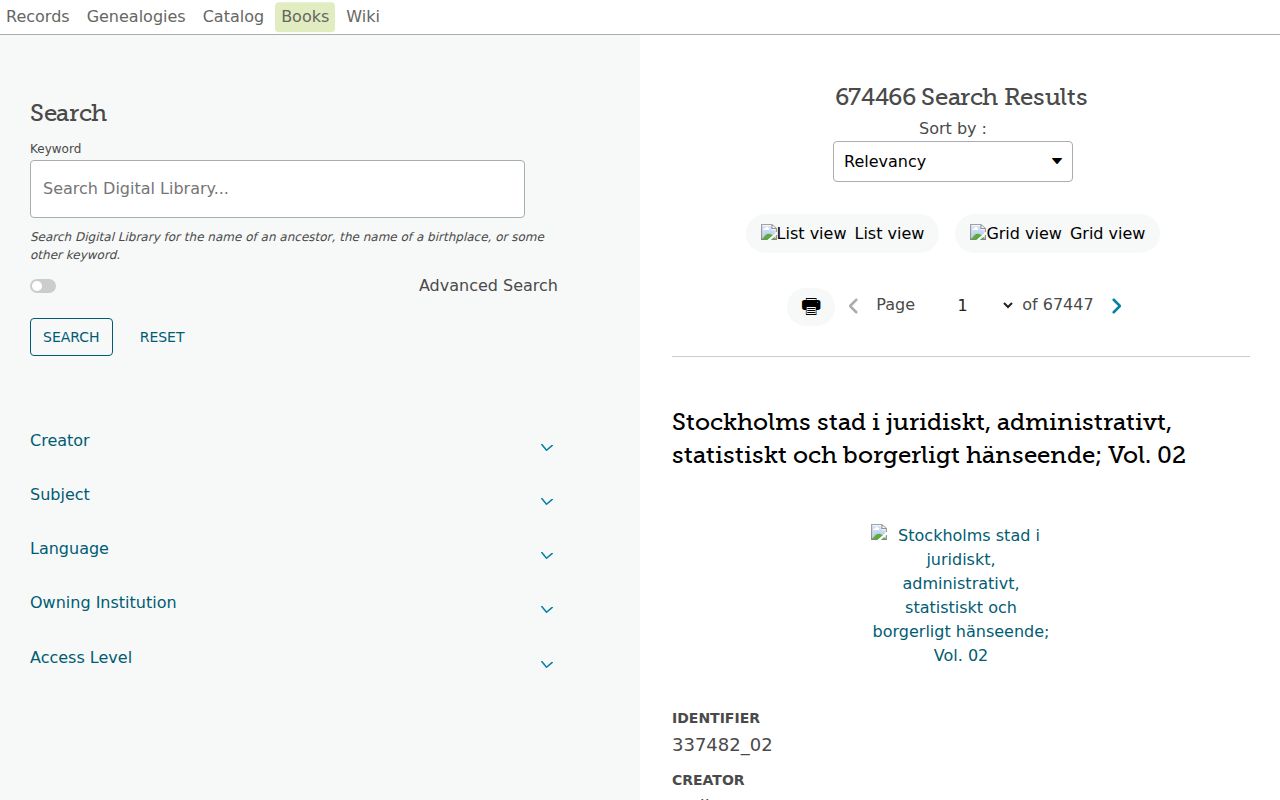
The capture verifies the volume's identity and regional scope, but no specific resident line was safely transcribed during research. Open the scan and record the exact page, spelling, address, and nearby entries before citing a person.
This regional-title quirk is useful beyond one year. A 1926 Google Books catalog snippet also contains East Moline references. The right catalog query therefore combines the target surname with Rock Island, Moline, East Moline, Silvis, and the approximate year.
East Moline Directory Research Room
The deepest local shelf is at the Rock Island County Historical Society Research Library, 822 11th Avenue in Moline. Its stated holdings include more than 12,000 books, over 300 archival collections, newspapers from 1857 to the present, city directories, plat maps, census material, photographs, postcards, yearbooks, and family histories. Hours are Wednesday through Saturday, 9:00 a.m. to 4:00 p.m., with a call-ahead recommendation. The listed research-room fee is $5 per day for adults or couples, free for members.
RICHS accepts phone and email questions at 309-764-8590 and research.richs@outlook.com. An efficient request names the person, exact spelling variants, approximate year, known address, likely township, and desired volume. Ask whether a directory has both an alphabetical section and a street-order section. Also ask about plat maps and newspapers for the same date.
The Moline local resources page describes these regional holdings.
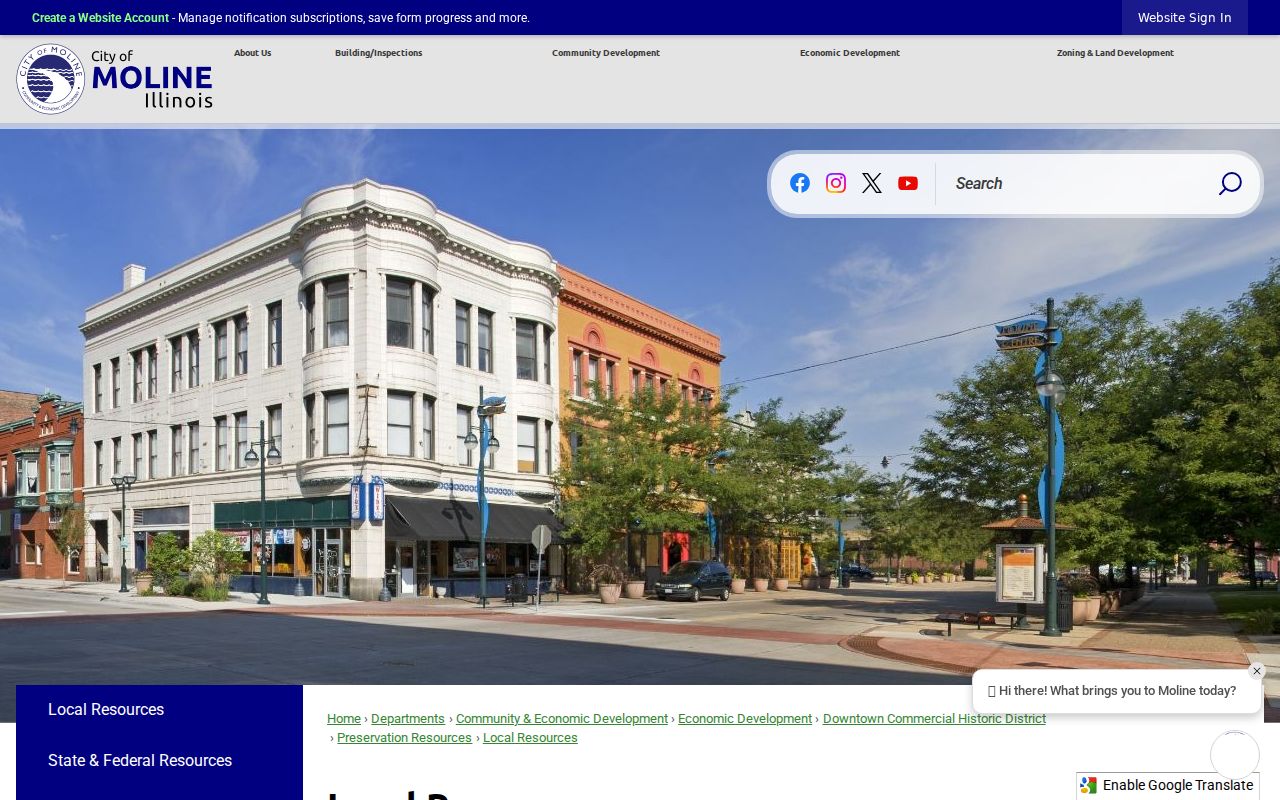
The referral confirms that city directories belong to a broader set of maps, newspapers, images, manuscripts, and oral-history sources.
Read an East Moline Directory Entry
Read the volume's own abbreviation page before decoding any East Moline city directory line. Common directory parts may include an alphabetical surname list, business pages, and a street-order or criss-cross section, but the exact fields vary by publisher and year. Since no resident entry from the verified scan was transcribed, the inventory below describes what to capture, not a fabricated example.
| Printed name | Copy spelling, initials, surname order, and any spouse or widow notation exactly. |
|---|---|
| Work text | Record an occupation or named business only when the line actually prints it. |
| Address text | Keep the house number, street spelling, unit, and residence marker as printed. |
| Household marks | Consult the volume key before interpreting owner, renter, boarder, or spouse symbols. |
| Page context | Save the page number, adjacent entries, title, publisher, and year. |
- Criss-cross directory
- A directory arranged by street and house number, useful when the address is known but the surname is not.
- Householder index
- A list centered on people identified at addresses; its inclusion rules differ by volume.
- Abbreviation key
- The publisher's legend for shortened words and symbols. Save it before interpreting an entry.
Then compare the line with a second source. A deed can tie a name to a recorded interest. A newspaper can date a visit, death, estate, or move. A census can describe a household in a census year. None should be silently substituted for what the directory itself prints.
East Moline Directory Newspaper Clues
RICHS newspapers extend from 1857 to the present and can fill gaps between directory years. The digitized archive supports phrase text, a second AND term, country, state, city, title, and From/To dates. Search a surname with the street, then try historical community names. A notice can add a date, relative, estate event, visit, or legal action, but it does not turn the archive into a complete resident roll.
The RICIGS newspaper abstract indexes cover 43 volumes spanning the mid-1800s into the early 1900s. Subjects include births, marriages, divorces, deaths, estates, probate, naturalization, anniversaries, and visits. Public indexes can identify a likely volume; complete volumes may require member access.
The public index page appears here.
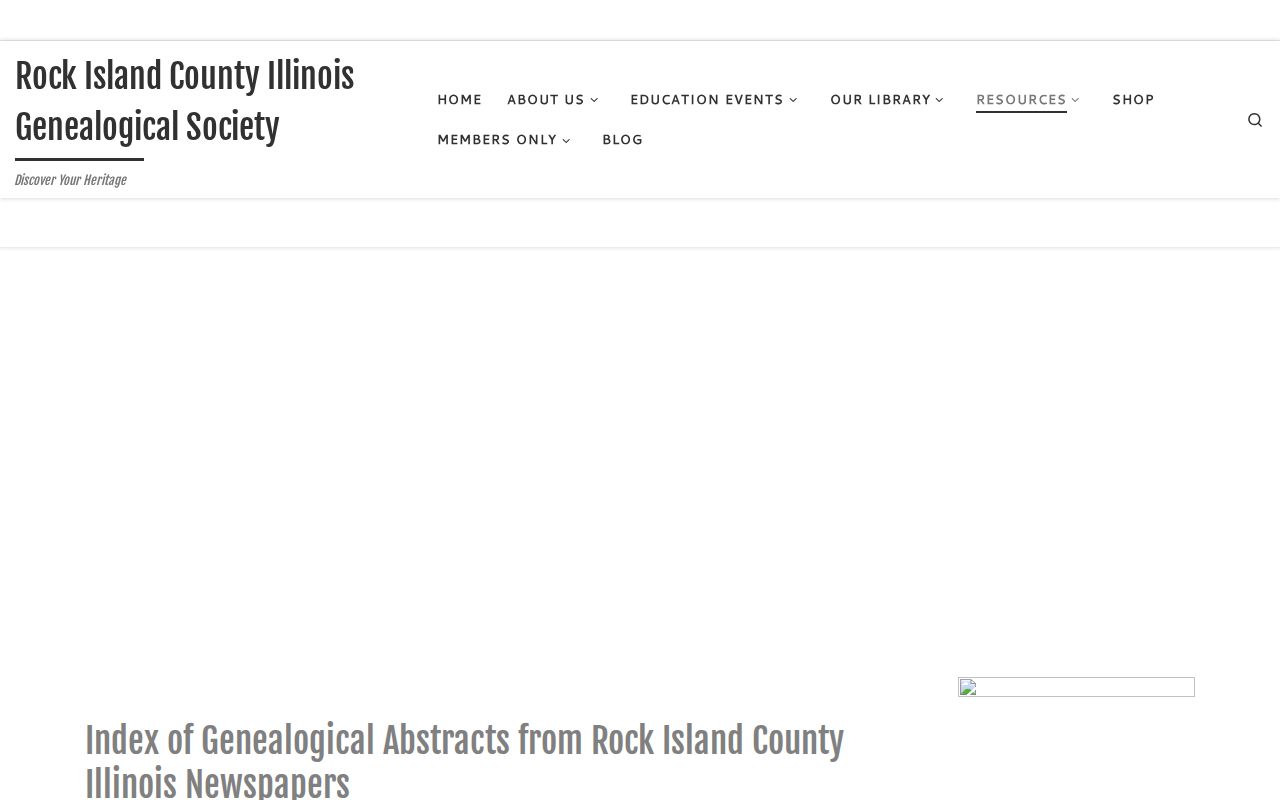
The index adds a focused event route when a household vanishes between two city directories.
East Moline City Directory Library
The East Moline Public Library does not advertise a distinct genealogy room, obituary index, or city-directory catalog on the pages inspected. It is still a practical first stop for public computers, internet, more than 50 Illinois State Library databases, and Book-A-Librarian help. The library is at 745 16th Avenue, phone 309-755-9614. Published hours are Monday through Thursday 9:00 a.m. to 8:00 p.m., Friday 9:00 a.m. to 5:00 p.m., Saturday 9:00 a.m. to 3:00 p.m., and closed Sunday.
The institution began in 1915. Its current Louis E. Woodsworth facility opened in 2022 after earlier buildings, an addition, accessibility work, and a computer-lab era. That long transition explains why older research may require a database, staff referral, or regional repository instead of a visible shelf in the newest building.
The library's own history is available on its About page.
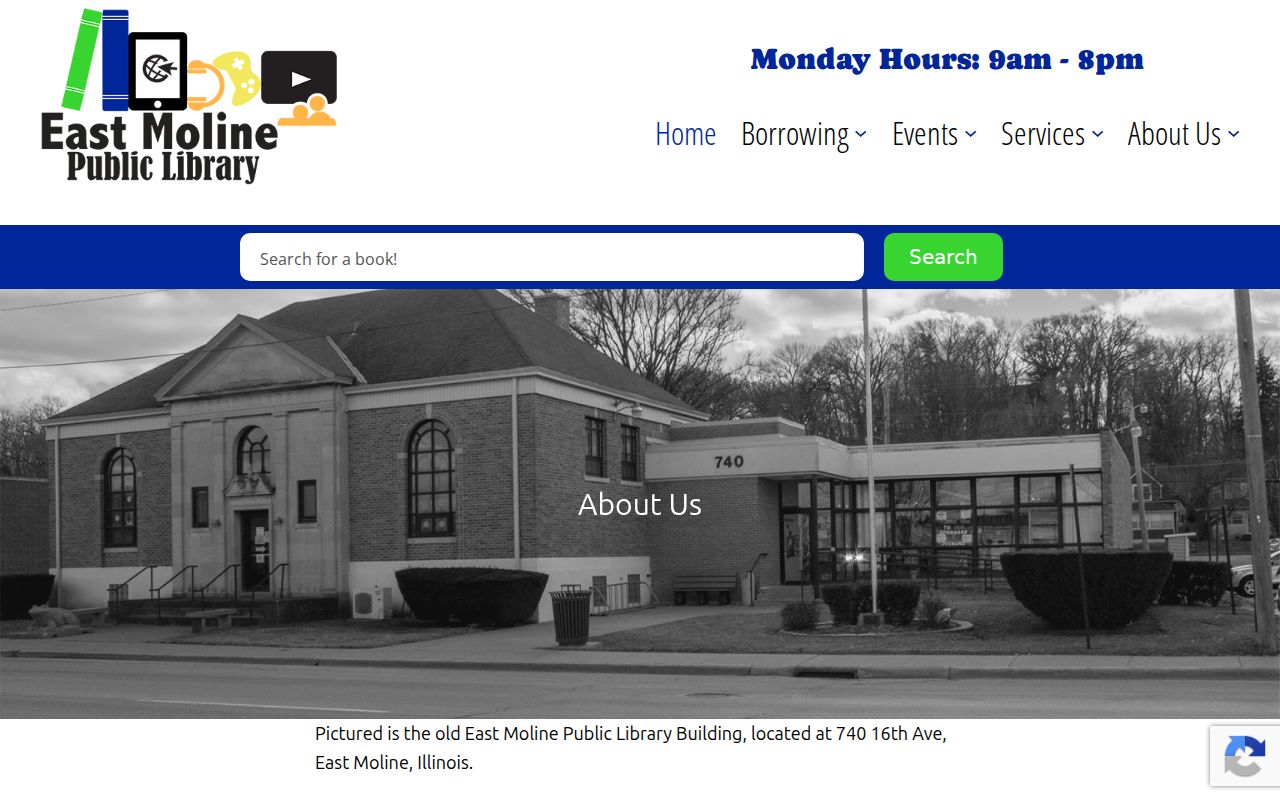
The source supports asking staff about legacy materials and licensed access without claiming that a particular directory is locally held.
East Moline Directory Geography
Watertown is a real catalog and newspaper term, not a mistaken city name. It was platted in 1856, later became a village, and voted to annex to East Moline in 1914. Port Byron Junction or Rock Island Junction is another useful term near present 9th Street and 14th Avenue. Search those names alongside East Moline when the target year predates modern municipal wording.
Sanborn maps add building and block context. The Library of Congress Moline record names East Moline and Silvis as included places. It can help compare structures and street patterns around a printed address, though a Sanborn sheet is not a list of residents.
| 1856 | Watertown was platted east of present 19th Street. |
|---|---|
| Around 1890 | Port Byron or Rock Island Junction developed near a rail junction. |
| 1902 | Streetcar service reached the developing community. |
| 1903 and 1907 | Village incorporation was followed by city incorporation. |
| 1914 | Watertown voted to annex to East Moline. |
These dates help select the place name and likely directory title before searching. They do not establish that a named person was present.
Trace East Moline City Directories
City directories work best as a sequence. One line supplies a spelling and dated address. The next available volume can show continuity or a move. Census schedules, newspaper notices, deeds, probate records, and vital indexes then test the change. A gap means only that the person was not found in that volume; it does not explain why.
- Choose a known year and search exact surname spelling plus variants across East Moline and regional titles.
- Copy the complete line, page, title, year, address wording, and abbreviation key. Do not modernize it in the transcript.
- Move to the nearest earlier and later available volumes. Log address and household changes rather than assuming continuity.
- Pair the directory with the closest federal census year and compare names, ages, relationships, and place wording.
- Check RICHS newspapers, RICIGS abstracts, deeds, probate, vital indexes, cemetery works, and yearbooks for the event that explains a change.
If the person disappears, search an obituary or estate notice first, then test nearby cities and later regional volumes. A move, death, omission, spelling shift, or publication gap are all possible. For current address-keyed work, the East Moline street directory method starts from the modern parcel instead of rebuilding the historical shelf.
Note: Cite the exact directory year and page because a city directory describes one publication cycle, not an undated household fact.